
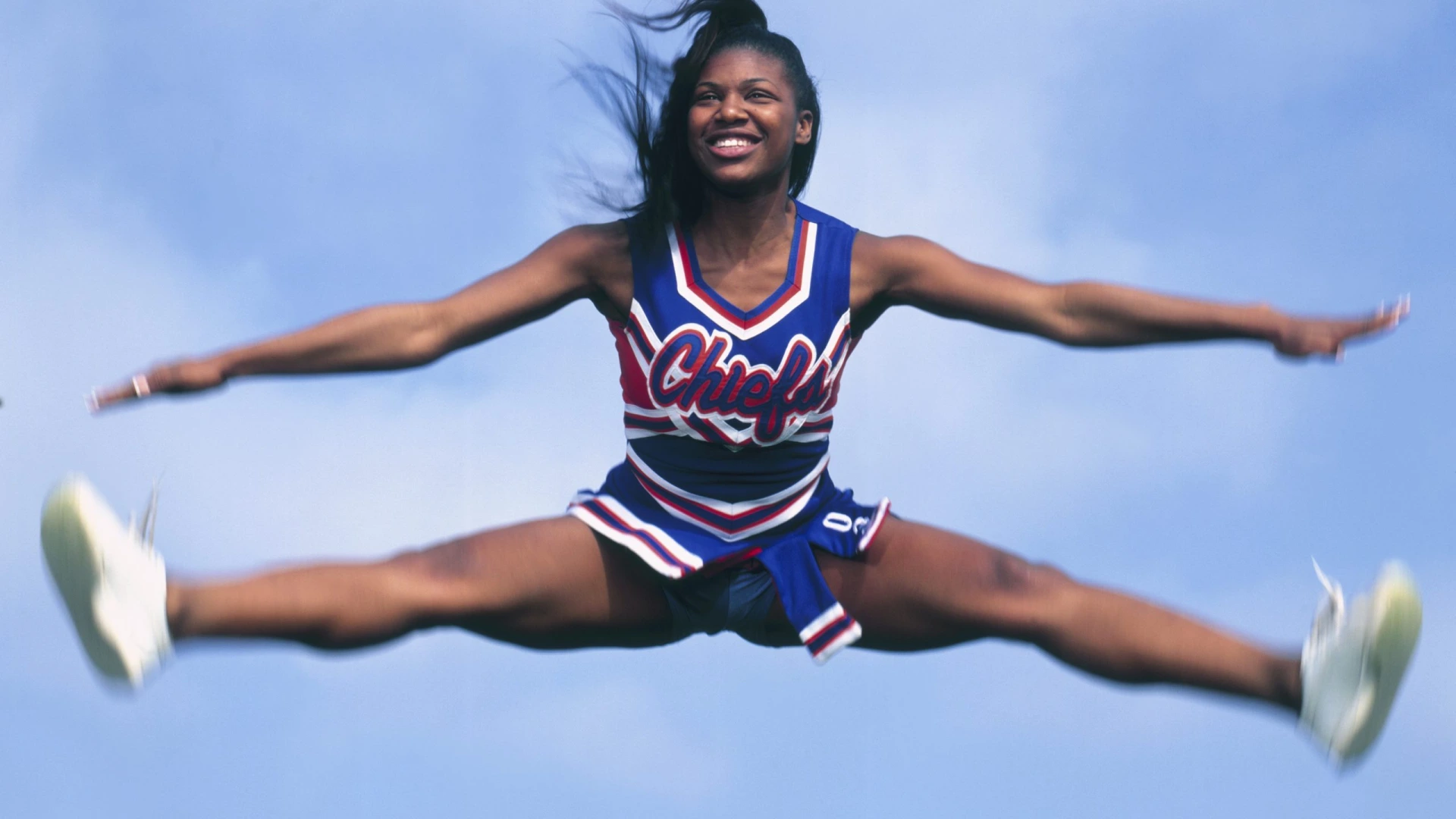
Have you ever attended an HBCU game and joined in a team spirit chant, or felt the electric energy of a viral cheer routine performed by some of the most athletic and dynamic Black cheerleaders? When fans experience the camaraderie that fills the stadium, they’re witnessing the creativity, discipline, and passion these cheerleaders pour into supporting their schools and teams. From national to regional competitions, the evolution of technique, rhythm, and format within these routines has directly shaped the foundation of Black cheer. Yet despite its influence, the cultural significance of Black cheer is often overlooked.
Many of today’s most popular HBCU chants carry deep cultural histories. From the soulful band-backed arrangement of TSU’s “I’m So Glad” to Clark Atlanta’s high-energy, crowd-engaging chant “I Got Spirit, Yes I Do,” Black cheer has transformed the college game experience into something far more meaningful. These moments foster unity, pride, and collective joy, offering a once-in-a-lifetime atmosphere rooted in togetherness. Still, many remain unaware of how Black cheer has redefined the cheerleading landscape—raising standards of excellence while influencing dance culture and performance styles worldwide.
Beyond performance, cheerleading offers girls and women an opportunity to build confidence, showcase physical skill, and experience the power of teamwork. For many, their first introduction to Black cheer comes from visiting HBCUs or watching popular shows like Dancing Dolls, where viewers proudly chant “DD4L” from their living rooms. What begins as entertainment often becomes admiration for a culture that celebrates discipline, athleticism, and expression.
This contagious energy has drawn fans from around the world to regional and national cheer competitions, eager to witness the vibrancy of Black cheer routines firsthand. From call-and-response chants to meticulously crafted stomp and shake routines, Black cheer has become a defining feature of school spirit across the country.
While HBCUs nationwide have embraced these traditions, Black cheer holds particular cultural weight in the South. These routines are infused with elements of funk, gospel, and hip-hop, grounding each movement in cultural authenticity. This raises an important question: why is Black cheer so deeply rooted—and so vital—in the South?
Historically, Black cheer is intertwined with the Civil Rights Movement and the legacy of HBCUs. During the 1950s and 1960s, Black cheerleaders were often excluded or pressured to conform to rigid, militaristic movements rooted in white performance standards. In response, many formed their own squads, developing steps and routines that reflected their cultural identity. These cheerleaders became symbols of resistance, using movement, rhythm, and voice as tools for self-expression, social protest, and desegregation during the Jim Crow era.
As Black cheer continued to evolve, it drew heavily from the Baptist church and Black musical traditions. Clapping, call-and-response patterns, and rhythmic movement echoed worship practices, while influences from funk, jazz, soul, and later hip-hop shaped the sound and style of routines. Styles like Stomp ’n’ Shake emerged, blending step dance, church traditions, snapping, and hip-hop to energize crowds and amplify school pride.
As these chants gained national recognition, they helped generate revenue for HBCUs, boosting visibility for athletic programs and cementing their cultural impact. Black cheerleading also created space for Black girls and women to claim visibility in sports, showcasing diverse dance styles—from high-energy routines to creative hip-hop-infused performances—while celebrating individuality and innovation.
Black cheer is more than skirts, bows, makeup, and pom-poms. It extends far beyond the sidelines. It reflects the resilience, creativity, and collective strength of the Black community. No matter which team you came to support, you’ll likely find yourself chanting along—because Black cheer is undeniable. It isn’t just a game-day tradition; it’s a movement.