
Have you ever felt like something was wrong with you, but you couldn’t quite name it? You’re exhausted no matter how much you sleep. Your anxiety feels louder than usual. The idea of going out, responding to texts, or doing things you once enjoyed suddenly feels overwhelming. At some point, you land on the explanation that feels most accessible and familiar: I must be depressed.
For many Gen Z women, that conclusion feels almost inevitable. We live in a time where burnout is normalized, emotional numbness is casually joked about, and mental health language moves quickly across social media. Feeling constantly tired, unmotivated, or on edge has become so common that we rarely pause to ask deeper questions. Instead, we self-diagnose, push through, or assume this is simply what adulthood, ambition, and survival are supposed to feel like.
What often gets lost in these conversations is how closely mental and physical health are connected. Symptoms like fatigue, anxiety, brain fog, irritability, and low mood do not exist in isolation. In many cases, they are quiet signals that something internally may be off. Yet in a culture that prioritizes speed and quick solutions, we rarely slow down long enough to listen to what our bodies are trying to communicate.
Increasingly, doctors and therapists are acknowledging the role bloodwork can play in understanding emotional well-being. Low vitamin D levels, B12 deficiencies, and magnesium imbalances are frequently discussed in relation to mood, energy, and focus. For context, many medical professionals note that vitamin D levels below 30 are considered low—a benchmark that surprises people who assumed they were “fine” simply because nothing felt urgent.
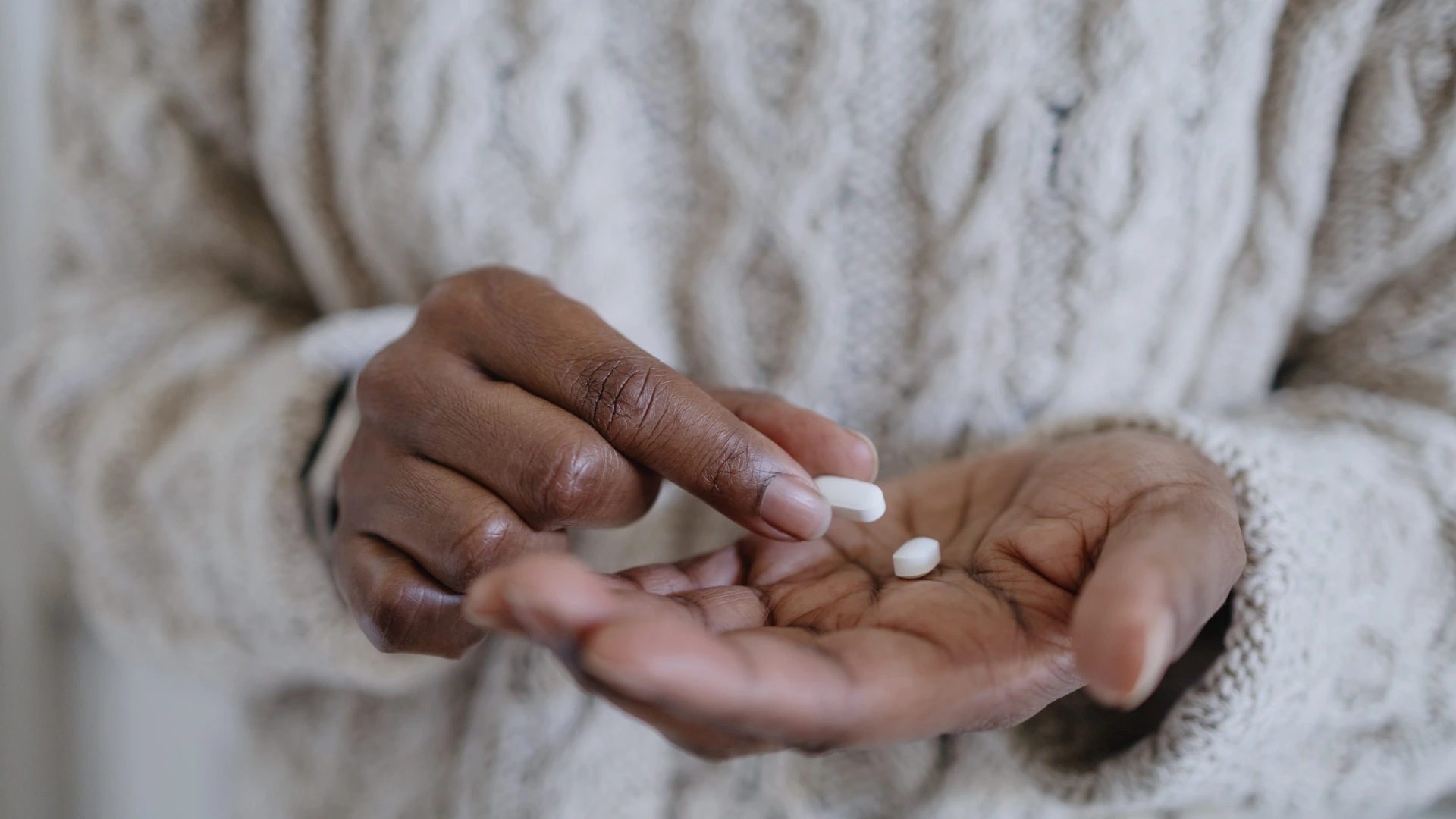
Vitamin D, in particular, is closely tied to emotional regulation. It plays a role in mood, energy levels, and how the body responds to stress. When levels are low, people may experience persistent fatigue, heightened anxiety, low motivation, or a general sense of heaviness that’s difficult to explain. These symptoms are often mistaken for purely emotional struggles, when they may also be physical cues asking for attention.
For Black women, this conversation is especially critical. Higher melanin levels reduce the body’s ability to absorb vitamin D from sunlight, making deficiency significantly more common. Add in long workdays, screen-heavy lifestyles, colder months, and limited time outdoors, and the gap widens. Despite this, Black women are often taught to normalize exhaustion and push through discomfort rather than question what their bodies may be lacking.
Low vitamin D can also show up in ways people don’t immediately connect to mental health. Unexpected weight gain, difficulty losing weight, and increased hair shedding are commonly reported concerns that can coexist with low energy and low mood. When these experiences pile up, they can quietly erode self-esteem, making emotional distress feel personal rather than physiological.
This is where the cultural conversation around “getting your bloodwork done” enters the picture—not as a trend or a cure-all, but as a form of self-advocacy. Asking questions, seeking clarity, and wanting to understand what’s happening internally isn’t excessive. It’s informed. It challenges the idea that struggling is something we’re meant to endure without context.
Wellness culture has made this both easier and more complicated. Social media has helped normalize conversations about mental health, but it has also encouraged quick conclusions and oversimplified diagnoses. A 30-second video might help you feel seen, but it can’t replace individualized care or an understanding of how your body uniquely functions. Gen Z exists in this tension—hyper-aware, deeply online, and often overwhelmed by information that lacks nuance.
At the same time, the answer isn’t always another supplement, routine, or trend. Sometimes it’s returning to the basics we overlook: getting outside, letting natural light hit your skin, taking intentional breaks from screens, and slowing down enough to notice patterns in your energy, mood, and body. These small shifts aren’t cures, but they are acts of attentiveness in a culture that rarely encourages stillness.
Reframing mental health through a holistic lens doesn’t dismiss the importance of therapy or professional support. It expands the conversation. It asks us to consider that emotional well-being isn’t separate from the body we live in—that feeling “off” isn’t a personal failure, and that care can be layered, curious, and compassionate.
In a generation taught to move fast and power through, pausing to ask deeper questions can feel uncomfortable. Yet sometimes, the most radical thing we can do is listen—not just to our emotions, but to our bodies; not just to what feels wrong, but to what might be missing.