
Formula 1 has undergone a profound transformation over the last several years, successfully evolving this sport into a global entertainment and luxury lifestyle brand. Despite its decades-long existence, this rapid growth raises the question: what has made this sport especially appealing in recent years? Since Liberty Media’s 2017 takeover, the brand has dramatically connected with new fan bases and expanded its presence far beyond the race weekends. Undoubtedly, Formula 1’s entertainment value has reached new heights, driven by massive pop culture influence, but how was this momentum achieved?
Racing has firmly entered the focus of mainstream media, exemplified by the multi-season Netflix show, Drive to Survive. This docuseries offers fans unprecedented behind-the-scenes drama and deep dives into F1 technical details. As Emily Prazer, Chief Commercial Officer of Formula 1, noted, “It has brought what fans crave—the behind-the-visor stories of the sport and made it part of mainstream culture, sparking conversations far beyond motorsport.” Over six highly successful seasons, and with regular appearances on Netflix’s Top 10 Shows, the series has amassed an audience exceeding 800 million views and skyrocketed the racing community to nationwide recognition.
The sport has also strategically leveraged short-form social media content and highlighted driver personalities, which has led to a noticeable diversification of its fanbase, successfully attracting more women and younger viewers through engaging digital and live events. The cultural significance was further amplified by the debut of the box-office hit F1: The Movie, starring Damson Idris, which grossed over $805 million worldwide in August, marking a major cultural milestone for both sports and entertainment industries.
F1 has become a magnet for high-profile brand collaborations. The partnership with Lego began last year in Las Vegas and initially focused on gauging fan interest. The most visible leap was the featured trophies made entirely out of Lego bricks on the podium for the British Grand Prix. This collaboration expanded into licensed partnerships, with Hot Wheels launching a range of Formula 1 cars and LEGO sets featuring all 10 F1 teams. The sport also deeply intersected with the gaming industry through EA Sports’ latest F1 25 video game, highlighting its ongoing cultural relevance.
As F1 gained more worldwide recognition, plans emerged to enhance the sport through strategic event upgrades, such as the highly visible LEGO Miami Grand Prix, which alone drew over 24 billion views. This unique fan experience included “Grid Gigs,” creating viral moments with musical acts before races. Notably, fans were in awe witnessing all 20 Formula 1 drivers operating fully drivable LEGO build cars during the parade lap, instead of touring on the usual parade truck. As each team had a LEGO car in its official colors and livery, this provided extensive brand exposure and created a spark for their deeper expansion into the fashion industry.
Building on past collaborations with fashion brands and athletes, the intersection of sports and style continues to grow. Influencers, fashion-conscious drivers, major investors, and partnerships with brands like Tommy Hilfiger and LVMH, now elevate F1 into a luxury lifestyle symbol. The “F1 75 Years in Motion” exhibit, which famously transformed London’s Selfridges into a tribute to F1’s influence on fashion and culture, further solidified this status, appealing to dedicated fans and fashion enthusiasts alike.
F1’s influence proved its significance once again at the Met Gala 2025’s ‘Tailored For You’ theme as art imitated life through several ensemble debuts. Damson Idris, a modern dandy himself, arrived in a Mercedes-AMG APXGP car from the movie. He wore a white racing suit and a red, white, and blue racing helmet decorated with 2,000 Swarovski crystals, before revealing a tailored rouge tuxedo by Tommy Hilfiger underneath—both outfits exuding dandyism.
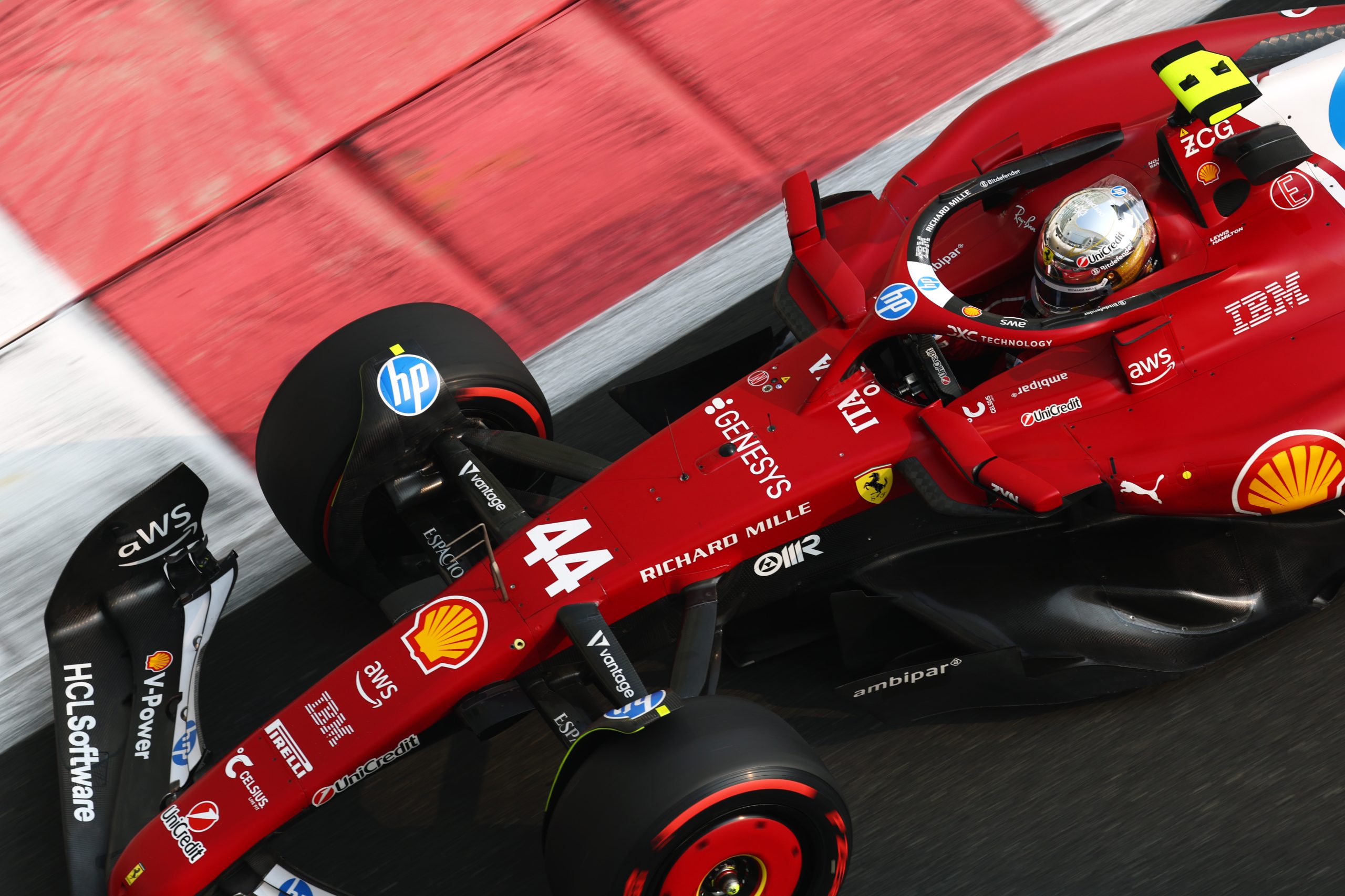
A recurring name often referred to as the muse for this sudden, pervasive interest in the racing community is Lewis Hamilton. Hamilton attended the 2025 Met Gala straight from the Miami Grand Prix to debut his ensemble, designed by Grace Wales Bonner, which referenced his ancestral history. Styled in an ivory suit with a beret by Stephen Jones Millinery, high-waist trousers with a tuxedo stripe, coattails, a white bow tie, and an embroidered ivory sash that hung from his waistband—he embodied the essence of dandyism and elevated F1’s cultural profile.
For those unaware of Hamilton’s significance, he is a seven-time World Champion and the first and only Black driver in F1 history. During his rookie season, he became the youngest driver to lead the championship with McLaren and has set records for wins, pole positions, and podium finishes, ultimately leading him to sign with Ferrari in 2025.
While Hamilton continues to break barriers, many Black women have made notable impacts in F1-related roles and feeder series. Belgian-Rwandan Naomi Schiff, who competed in the W Series and works as a Sky Sports F1 presenter, and Stephanie Travers, the first Black woman to stand on an F1 podium as a trackside engineer for Mercedes, further showcase the growing presence of women in the broader motorsport scene.
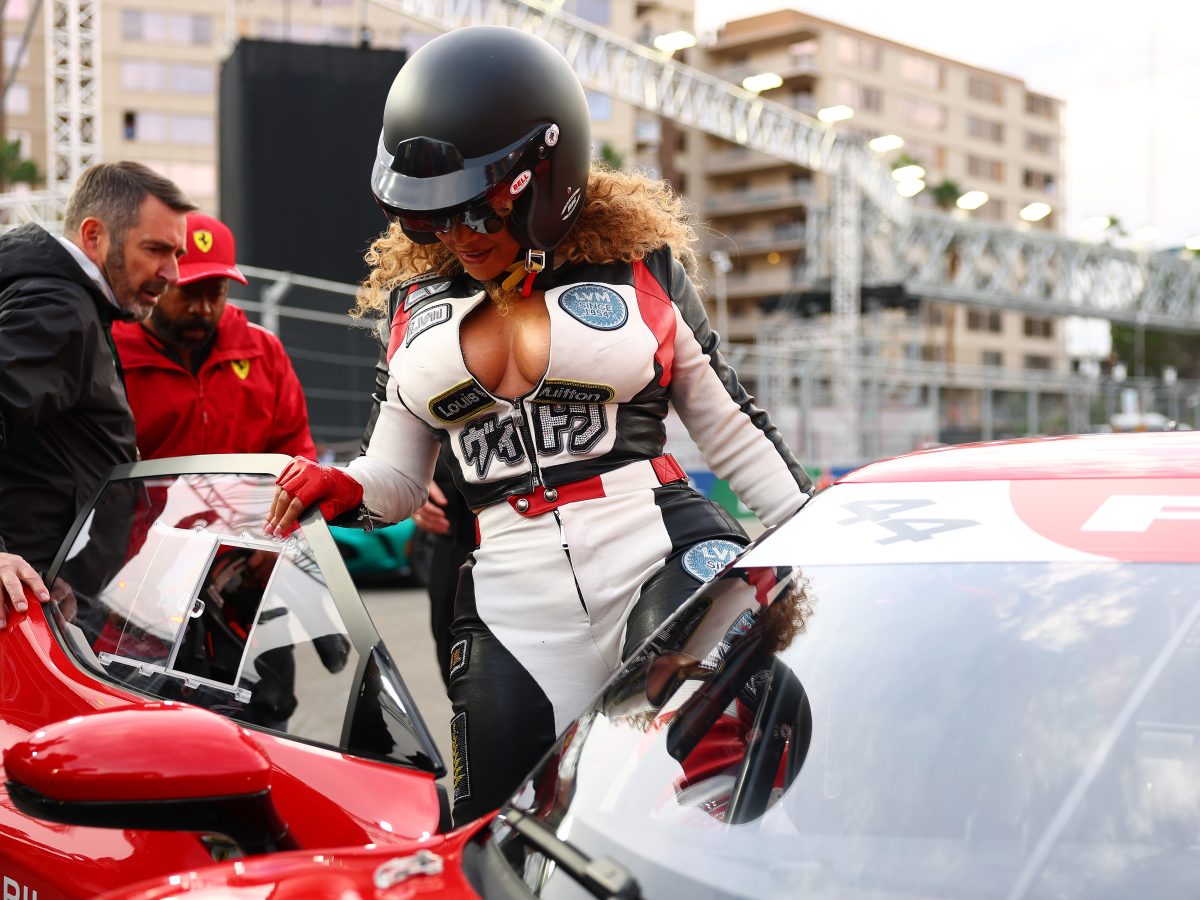
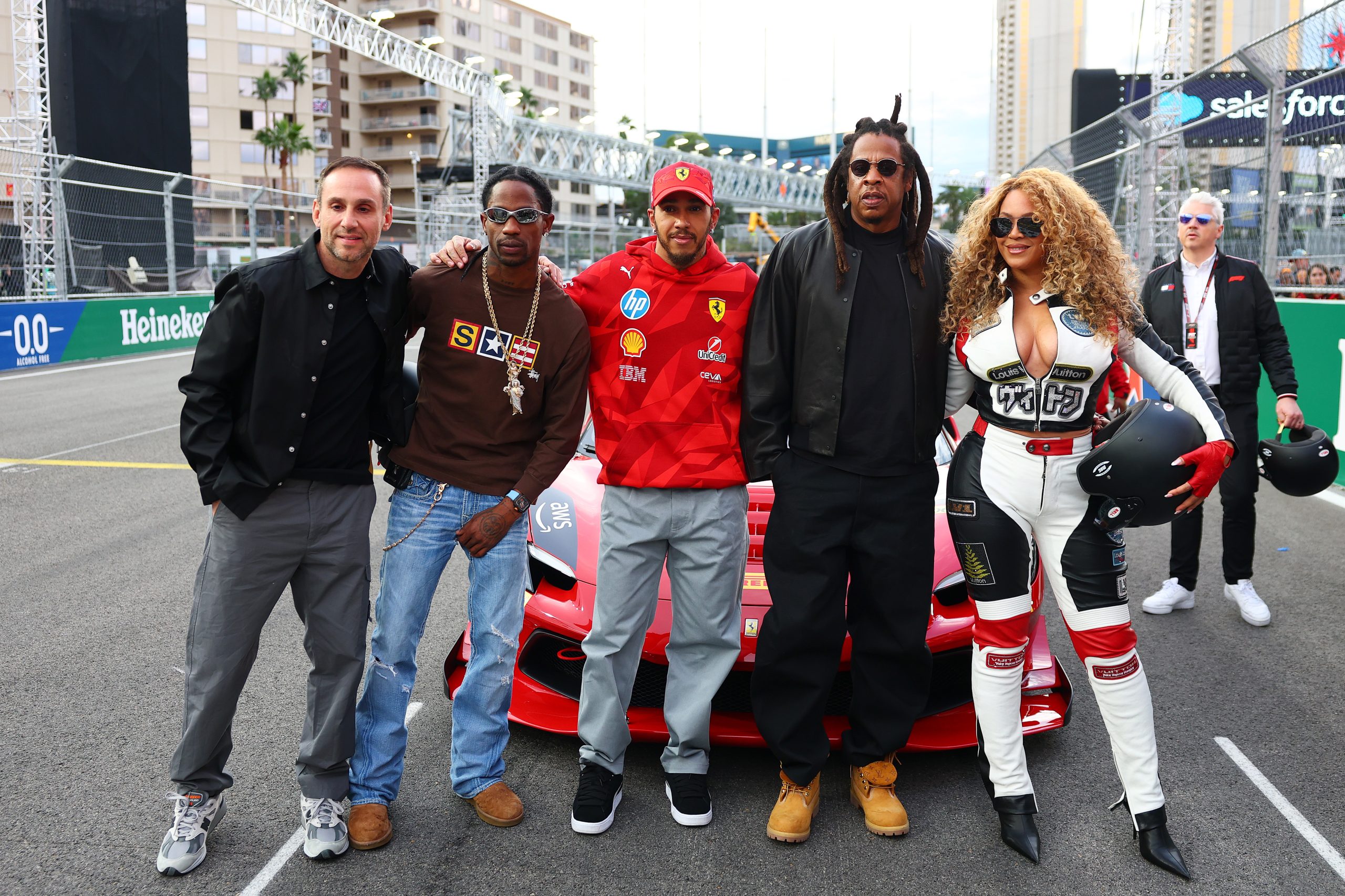
With the rising popularity of Formula One racing, even A-list celebrities have been spotted at these events. For example, Beyoncé attended the 2025 Formula 1 Las Vegas Grand Prix, wearing a Louis Vuitton jumpsuit and a red Ferrari romper, demonstrating the intersection between fashion and sports. She was also seen taking a “hot lap” with Lewis Hamilton and sharing her enthusiasm about F1’s increasing cultural influence. This continuous pattern of Formula One being integrated into mainstream entertainment further underscores the sport’s expanding cultural significance each year, and this rise is only beginning.