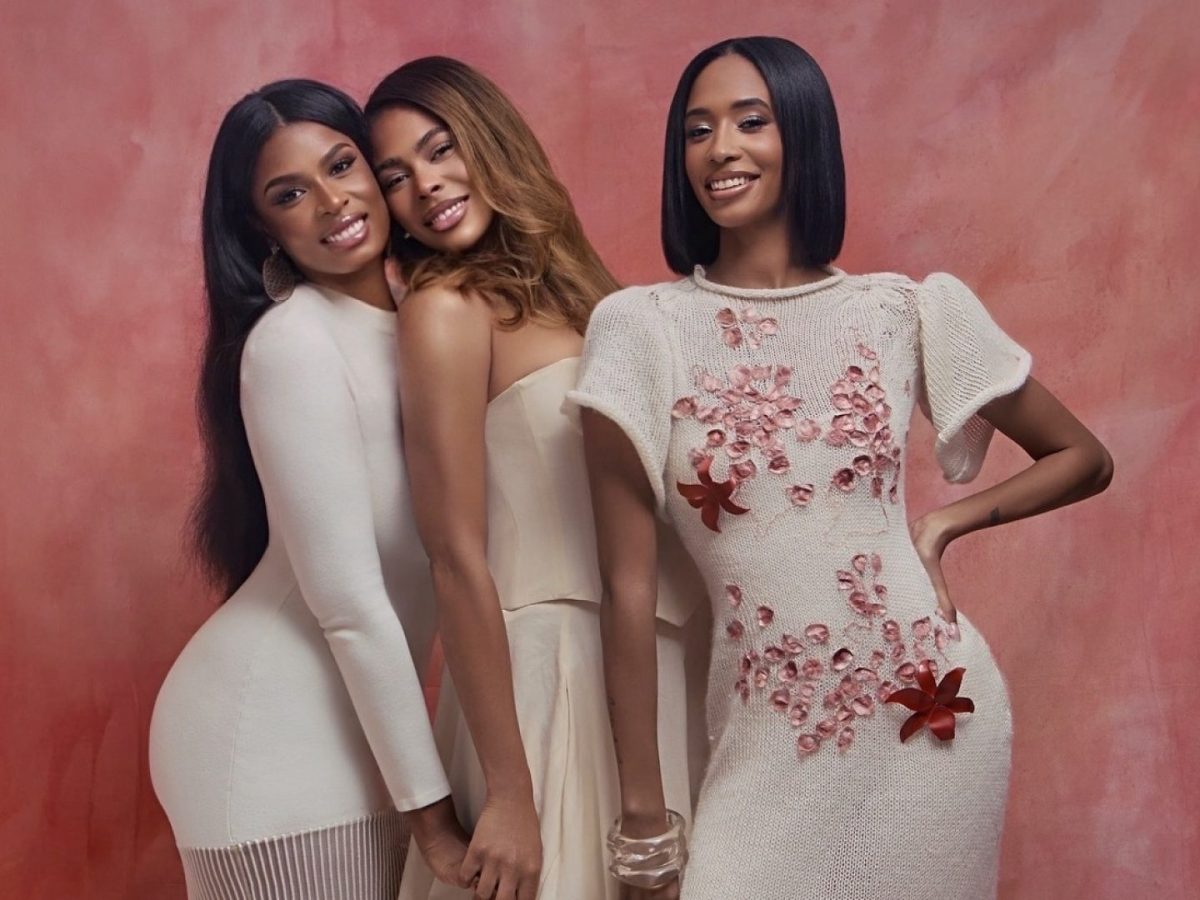

studioQL is not just another creative collective; it is a meticulously engineered bridge poised to connect the electric energy of emerging artists with a generation of collectors hungry for authentic experiences. Founded by the dynamic trio of Mecca Pryor and sister Taylor and Morgan Webster, the collective is driven by shared roots and a singular mission: to redefine the architecture of the art world.
The origin story is one of organic synergy. Though raised in the same New Jersey orbit, their mothers were friends in an organization, the founders’ creative bond solidified later in life. Pryor, ESSENCE style editor, and Taylor, head of music for Metro Public Relations, found professional kinship, with Taylor serving as an “industry big sister.” Morgan, founder of WAAM Group, and Pryor bonded over their mutual devotion to art. A passion inherited from Pryor’s artistic father and the Webster’s great-grandmother, a painter.
The “aha” moment arrived in Martha’s Vineyard when Pryor introduced emerging painter, Zoë Carson to Morgan’s mother which lead to a spontaneous sale. Morgan realized this highlighted a crucial disconnect telling GU, “We know so many artists that are young and emerging and are so amazing but there’s a disconnect between these artists and the collectors.” The initial concept of creating a seasonal gallery to merge these groups quickly scaled into something far more ambitious and permanent: studioQL.
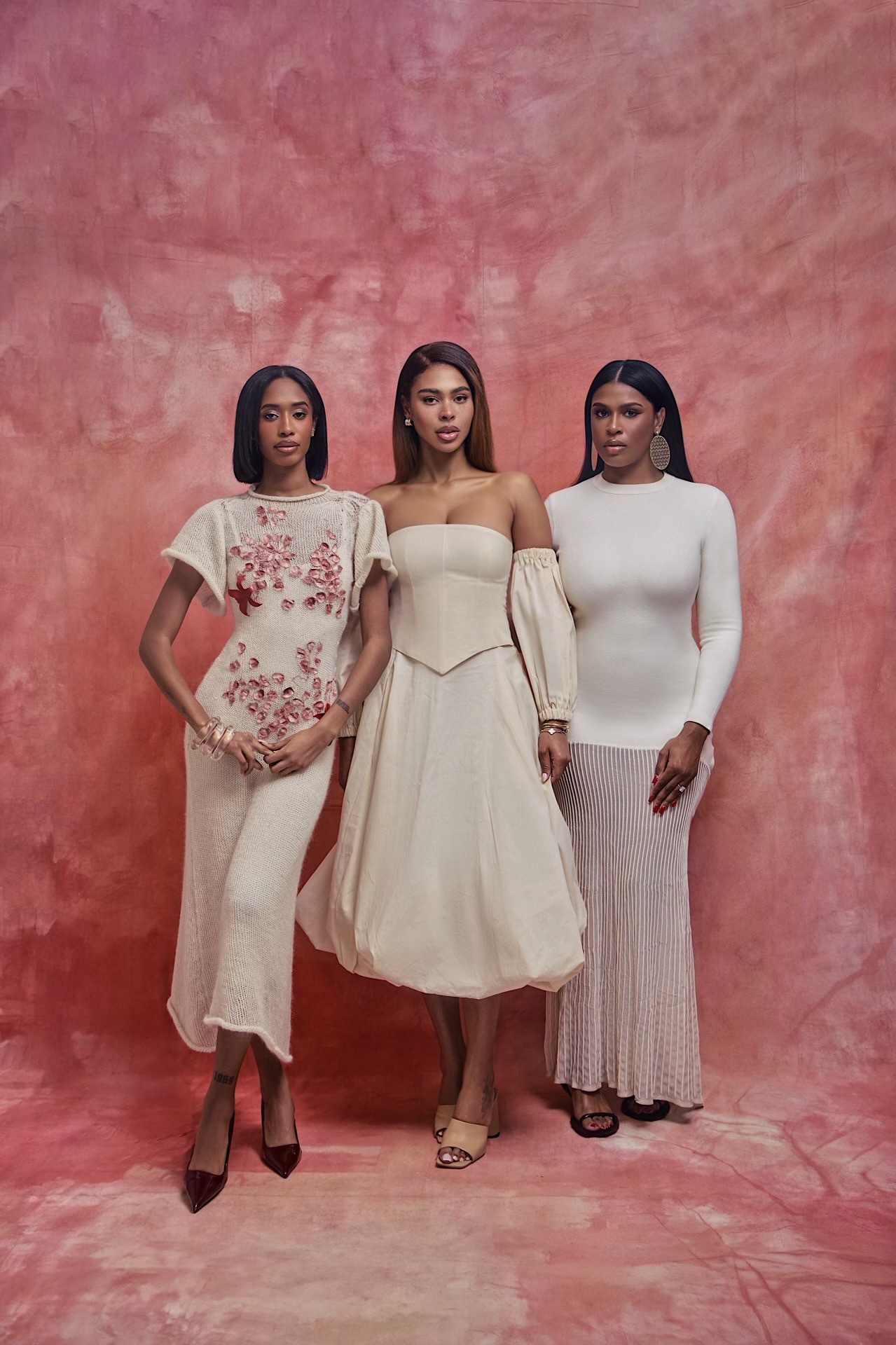
The name itself reflects this sophisticated merging of worlds. After a last minute, high pressure pivot forced them to abandon their original name, “Ode,” Morgan, who is pursuing a doctorate in AI management, provided the solution, QL, referencing “query language,” a technical term for a system that organizes and interprets complex data. Pryor notes that studioQL, operates as a “creative query language,” utilizing its intentional pillars, Art, Design, and Sound to articulate new questions around culture, identity, and connection. It is the perfect terminology to capture how different mediums can find “a common way to communicate.”
studioQL is launching into a creative scene where visibility is cheap, but depth is currency. Pryor acknowledges that the internet has democratized creation, allowing people to disrupt the traditional art “canon.” However, this access has led to over saturation. Morgan points out that the challenge is no longer visibility but “depth and how the experience is.” Their audience, a generation that Pryor notes “values experiences” and “Instagrammable moments,” craves creative stimulation, yet often finds the traditional museum and gallery world “hush-hush” and intimidating. studioQL’s objective is to meet this audience where they are, making art “digestible” by incorporating other genres.
Pryor, whose love for fashion and art stems from growing up with her father’s work, is focused on bridging these worlds. She wants to uplift and make room for the audience who loves creative genres like music or fashion, but who might be wary of the exclusive nature of the art world. Morgan, a self-described systems builder who has redesigned experiences for major brands, views studioQL as a “system designed to bring these artists, the collectors, and all different audiences together, in a more intentional, human way,” focusing on the end-to-end experience.
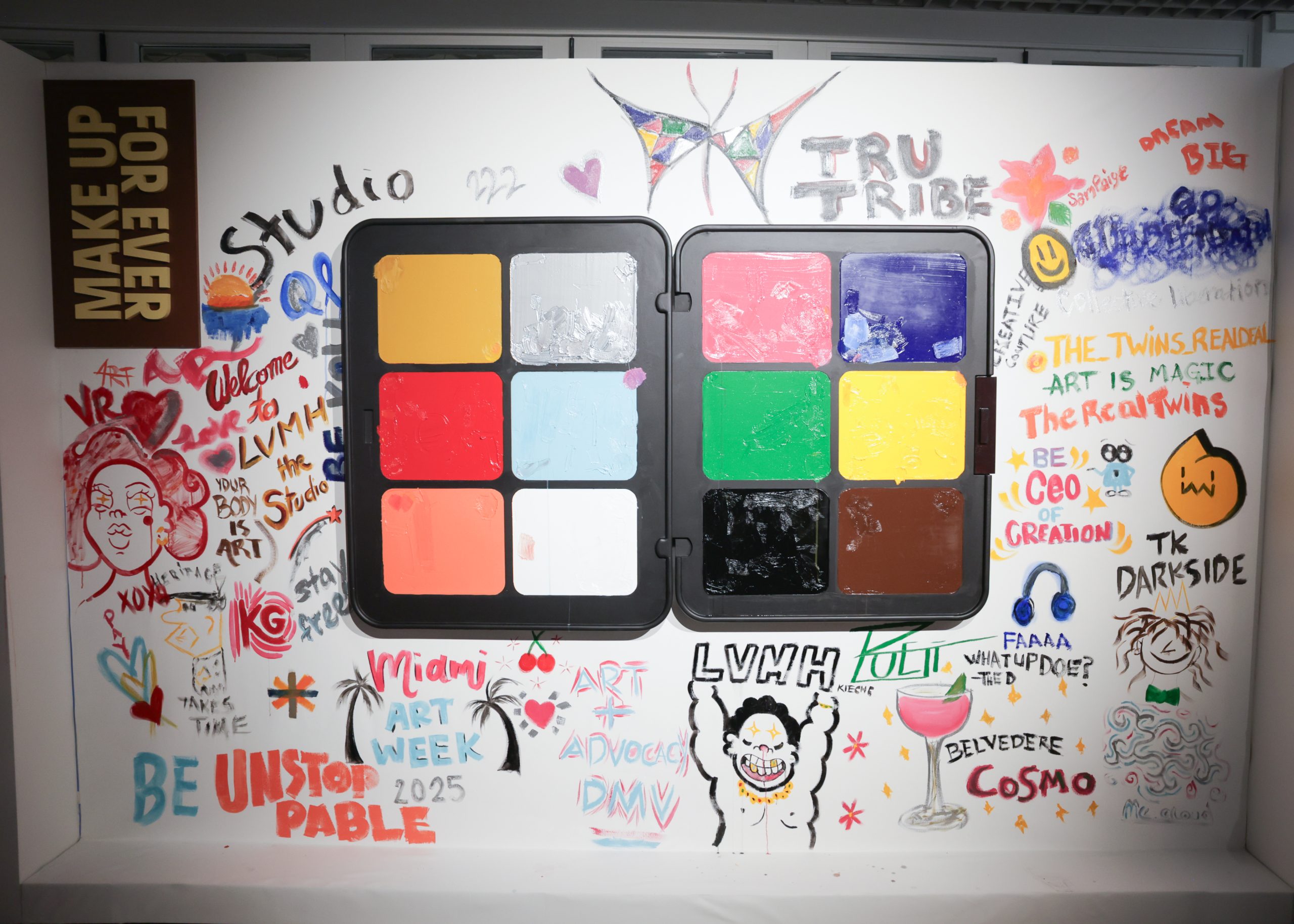
Their debut at Art Basel, in partnership with LVMH’s The Studio and Belvedere, was a successful blueprint for their immersive vision. Pryor vetoed the conventional panel discussion, opting instead for a collective art activation. Attendees were invited to paint on a collaborative canvas with beauty brand MAKE UP FOR EVER bringing it’s iconic Artist Color Multi Use Cream Palette to jumbo with paint, an act Pryor says was vital to “break down that wall” of intimidation. The success was immediate: LVMH kept the community-created piece up for the entire art week, proving people are indeed eager to engage. Pryor emphasized that having something people can engage with “is going to stay in our ethos for sure.”
This attention to foundational elements extends to their final pillar, sound. The choice of Sound over music is deliberate. Taylor explains how it’s one of the most powerful cultural drivers and how it’s embedded in music through her work with hip hop, afrobeats and amapiano genres. She details that for studioQL stepping into sound is about authorship, context and longevity saying, “Capturing not just finished songs but the thinking, environment and community around them to ensure the culture isn’t just consumed in real time but understood historically.” By focusing on these core elements, studioQL is establishing an elevated, accessible, and essential platform designed to query, interpret, and shape the future of contemporary art, one experience at a time.