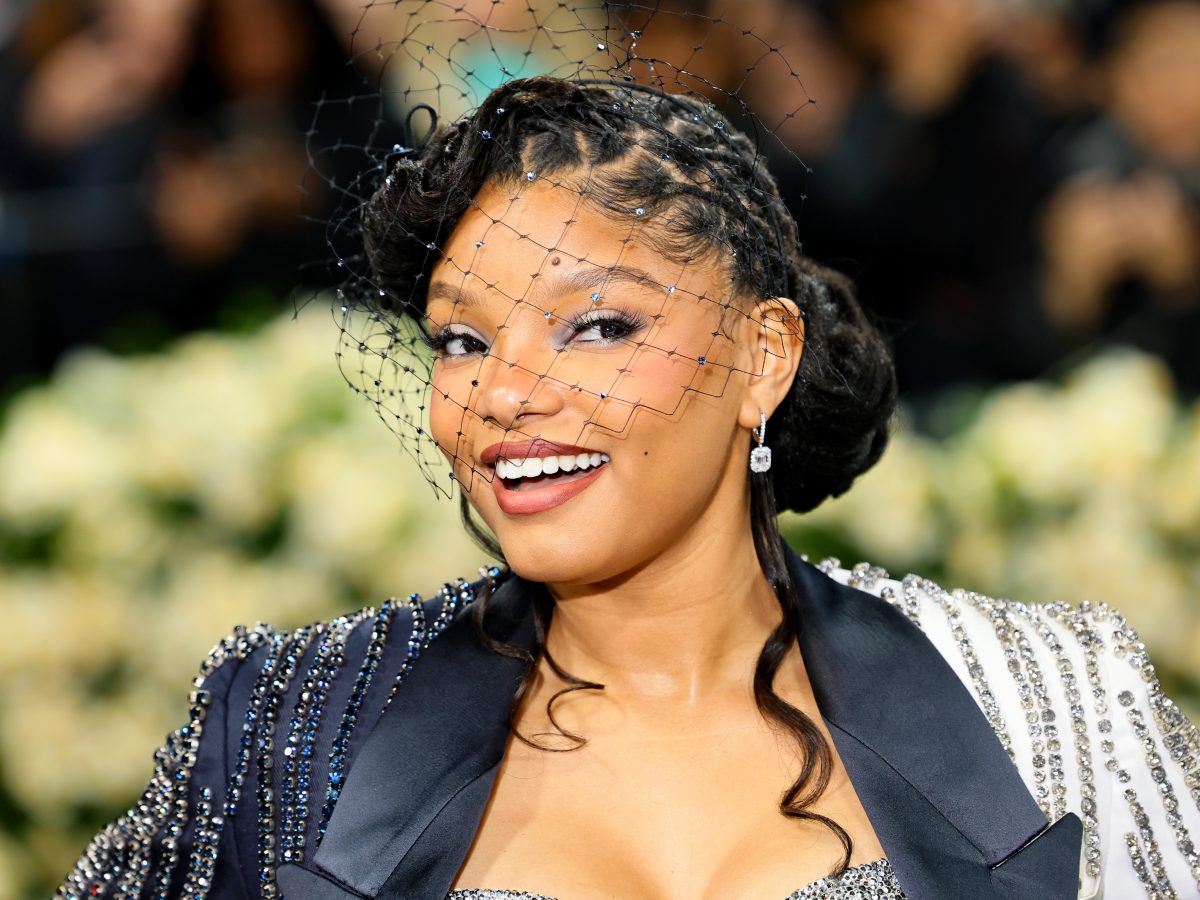

Have you considered locs as your next hair commitment? For many, locs carry deep spiritual and cultural meaning, rooted in connection to God, nature, and ancestral heritage. This powerful hairstyle has long symbolized strength, wisdom, and spiritual growth across cultures. In many traditions, hair is believed to act as a conduit for vital energy—often referred to as one’s life force. Some Indigenous and tribal cultures view hair as an antenna that receives spiritual messages and vibrations, with locs believed to help retain and amplify that energy rather than allow it to dissipate.
For those who choose them, growing locs can become a transformative journey—one that deepens self-awareness, strengthens spiritual connection, and encourages intentional living. If you’re considering making the commitment, one of the first decisions you’ll need to make is choosing the loc style that best suits you. From traditional locs to sisterlocks, microlocs, and freeform locs, there’s a wide range of options, each offering its own cultural significance, maintenance level, and styling benefits. Selecting the right style depends on your lifestyle, hair texture, and long-term goals.
With the start of a new year—and many locticians already booked weeks in advance—you may be wondering whether starting your loc journey at home is an option. If so, GU has you covered with a mini guide to help you begin with intention. Before you get started, gather a few essential tools: small two-prong hair clips, a spray bottle, a comb, rubber bands, a clarifying shampoo, natural oils, and your preferred styling products.
Hair porosity plays an important role in how your locs develop, so it’s worth researching which products work best for your hair type and which ingredients to avoid. Once you’ve gathered your supplies and feel confident in your style choice, you’re ready to begin the loc process. After thoroughly washing and sectioning your hair, you’ll choose a method to start your locs. One common approach is palm rolling, which involves lightly misting the hair with water and oil; rolling each section between your palms to encourage the strands to bond.
Other methods—such as interlocking, crocheting, or two-strand twists—can also be done at home or by a professional, depending on your comfort level. As you work through each section, secure the locs with clips and allow them to dry, either under an overhead dryer or by air-drying overnight. During the first few months, gentle handling is key. Protect your locs at night with a satin scarf or stocking cap to minimize friction and support healthy formation.
For many in the loc community, the beauty of locs extends far beyond appearance. They represent patience, discipline, and a sacred connection between the physical and spiritual self. Nurturing locs often mirrors an inner journey—one of growth, alignment, and purpose. As a physical expression of spiritual energy, locs carry cultural weight and personal meaning, symbolizing a commitment to honoring one’s path and embracing the life you’re called to live.