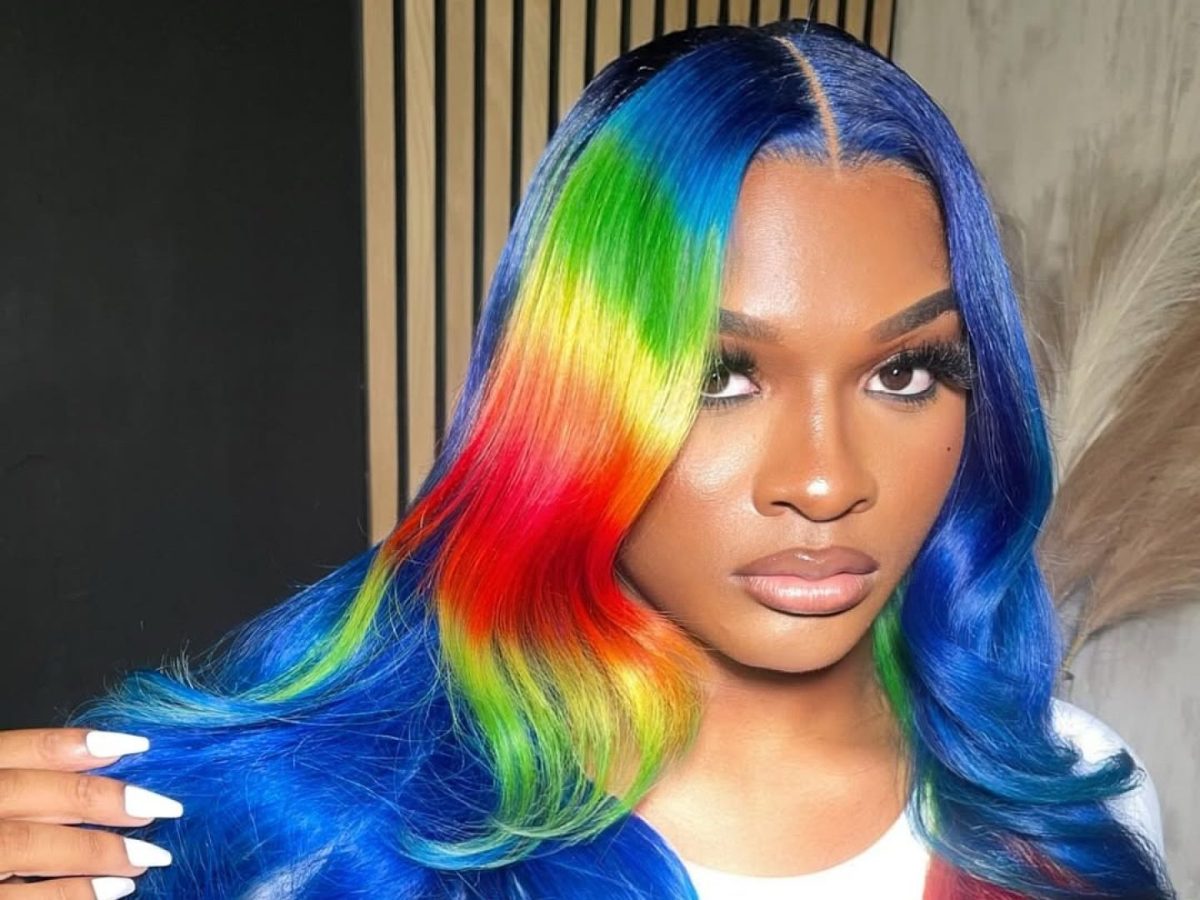

The life of 21-year-old transgender wig influencer Girllala was tragically cut short following an argument with her long-time partner, sparking a broader conversation about how domestically violent relationships are becoming normalized online.
According to a press release from the Broward County Sheriff’s Office, deputies responding to a medical call near Northwest 37th Street found Girllala in the passenger seat of a vehicle suffering from gunshot wounds. She was pronounced dead at the scene.
Her long-time partner, Shanoyd Whyte Jr., was taken into custody. Investigators said that Girllala and Whyte were engaged in a verbal argument that turned physical while inside the car, during which Girllala was shot. Whyte has been charged with first-degree murder with a firearm and is currently incarcerated in Broward County Jail without bond, awaiting trial.
Rapper JT commented on the senseless murder, saying in an Instagram story, “My heart is broken, and these kids or adults may never be protected in a time where everything is moving fast and used for content #RIPGirllala.”
Girllala’s fans were drawn to her vibrant personality, flawless wig installs, and stunning makeup looks. She was most known for her viral TikTok sound, “I’m feeling like Girllala,” which many used to celebrate their own beauty transformations. She embodied confidence and self-expression through her artistry.
However, fans were also aware of the toxic dynamics in her long-term relationship, visible through social media. The normalization of domestically violent relationships online is not unique to Girllala. Couple content rose on YouTube in the 2010s, but the reality is that no relationship is perfect — there are only healthy and unhealthy dynamics.
TikTok users have witnessed couples like Ekane and Chris argue, fight, and even destroy each other’s property online for clicks, views, and financial gain.
Hope Giselle, a transgender advocate and community organizer, believes this normalization desensitizes young audiences. Instead of recognizing abuse as a serious issue and reporting it, viewers are conditioned to record and share it for engagement.
“A lot of people don’t see this as serious because, at the end of the day, she’ll put on another wig tomorrow and be gorgeous, and he won’t be around for a couple of days,” Giselle told Essence GU. “But that’s not the reality of how domestic violence works.”
Domestic violence transcends stereotypes and intersects with age, gender, and class. While often perceived as a feminine issue, anyone can be a victim. Black women, in particular, are disproportionately affected yet are less likely to receive help and resources.
“Abuse happens toward Black women no matter how they identify,” Giselle said. “The difference here is that you’re dealing with a woman who was assigned male at birth.”
Signs of abuse can include unexplained bruising, isolation from friends, heightened reactions to certain cues, and financial, emotional, or mental manipulation. Friends and family can combat this by checking in regularly, offering support, and utilizing resources such as the National Black Justice Coalition (NBJC) to navigate difficult conversations about safety.
“We have to be more protective of our people, our boys, our girls, and the folks we love,” Giselle added.
Black transgender individuals are at heightened risk for intimate partner violence. According to a 2022 study by the Human Rights Campaign Foundation, Black transgender women who face intersecting forms of violence due to gender identity, gender expression, and race account for 63% of all fatal violence against transgender and gender non-conforming people.
However, studies on violence against Black trans women remain limited, often due to a lack of media attention or bias framing trans women as the problem rather than the victim. Misrepresenting violence against Black women, whether transgender or cisgender, hampers both social understanding and legislative progress.
Events like Transgender Remembrance Day and the National Trans Visibility Walk provide crucial platforms to raise awareness, advocate for change, and honor the lives of trans individuals like Girllala.