
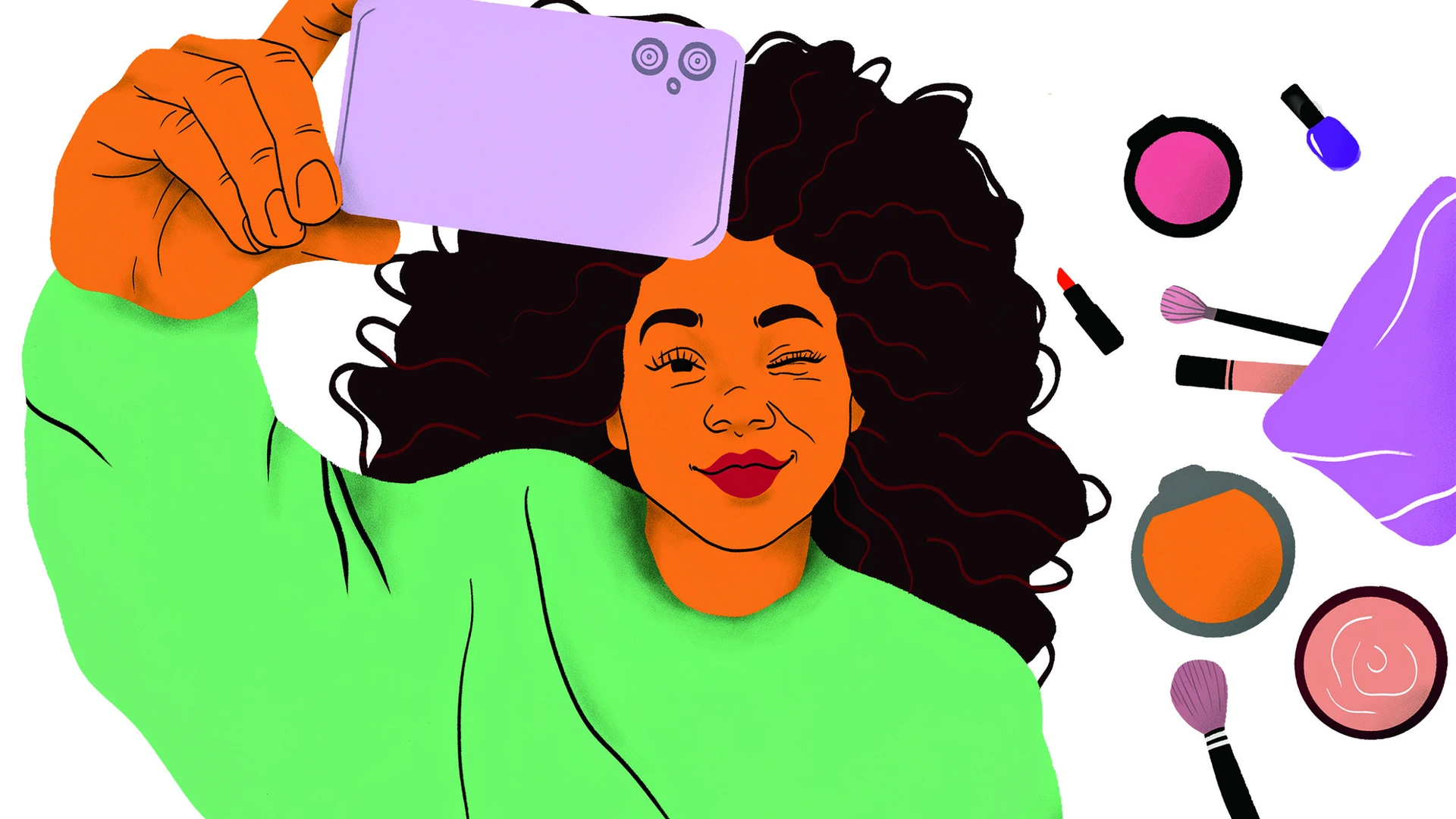
Do you remember the first post you ever liked or the first video you ever shared? If you cannot, that is understandable, as social media has been around for nearly 30 years.
Most people do not know that the first wave of digital media was a site called Classmates in 1995, which helped people connect with former K-12 classmates to renew personal connections or establish professional relationships. From there, arguably the first social media platform was introduced in 1997: Six Degrees, which argued that everyone is connected by no more than six degrees of separation while pioneering profiles and friend lists. Fast-forward to 2003 and the launch of Myspace, which served as the original model for social media today with top friend lists, updates, and coding merging to create a massive platform. Even if a user had no friends, Tom, the founder, was an automatic one.
Facebook was introduced in 2004, with a history so storied that it led to an Academy Award-nominated biopic. It was followed by Twitter in 2006, which is now X. Instagram launched in 2010, now almost unrecognizable from its origin, followed by Snapchat in 2011 and TikTok in 2016. As the digital landscape expanded, everyday users began carving out unique niches online. However, in 2020, the trajectories of social media, celebrity, products, and world livelihoods changed forever.
During the pandemic lockdown, scrolling became the primary source of entertainment, and TikTok became an encyclopedia for short-form, digestible clips. Algorithms tracked watch times and engagement to learn user preferences, leading users to develop parasocial relationships with creators. By the time lockdown ended, hyper-targeted views turned everyday creators into overnight influencers.
This post-lockdown landscape birthed a radical shift in the American workforce, transforming content creation from a hobby into an exit strategy from corporate life. Macro-influencer Eni Popoola left behind her career as a lawyer at a prestigious firm to pursue full-time content creation after realizing her blogging side hustle was a viable business engine. Orthopedic surgeon Matthew Igbinigie, M.D. similarly stepped back from medicine after 15 years of education and training due to systemic burnout and toxic work conditions exacerbated by the pandemic.
For many, the pivot begins as a side hustle. Atlanta influencer Allanah Waters started after seeing a former high school classmate securing brand deals. Waters went from earning $150 for multiple videos when starting out to securing a $15,000 deal for a single 42-second video.
To manage operational weight, creators are turning to specialized representation. Founder Shannae Ingleton-Smith built Kensington Grey in 2019 after observing how corporate structures failed independent Black talent, helping creators manage the business side and reclaim their time.
As the creator economy is projected to reach $680 billion by 2028 according to Goldman Sachs Research, the lines between corporate media networks and independent creators will continue to blur. Both Waters and Ingleton-Smith emphasize that remaining relatable and staying true to oneself are the foundations of long-term success, as authenticity is something an algorithm cannot replicate. Whether stepping away from a law firm or an operating room, professionals are proving that the future of work is found on the feed rather than the corporate ladder.